

Louisiana Window Tint Law – All You Need to Know
News and Articles
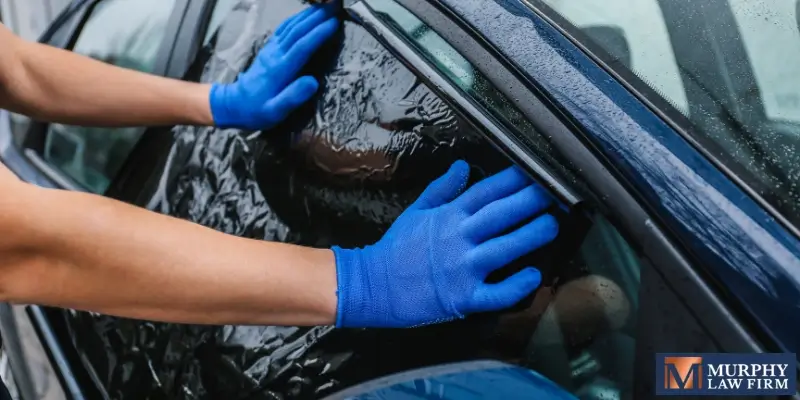
Louisiana window tint laws restrict vehicle window darkness and reflectivity to maintain safety and visibility. Front side windows require 40% or higher light transmission, side windows behind the driver need 25%, and rear windows must allow 12% light transmission.
The laws exempt trucks, buses, motor homes, SUVs, vans, and law enforcement vehicles from rear window restrictions, with medical exemptions available for conditions like albinism or lupus.
Louisiana window tint laws restrict vehicle window darkness and reflectivity to maintain safety and visibility. Front side windows require 40% or higher light transmission, side windows behind the driver need 25%, and rear windows must allow 12% light transmission. The laws exempt trucks, buses, motor homes, SUVs, vans, and law enforcement vehicles from rear window restrictions, with medical exemptions available for conditions like albinism or lupus.
Each state has its own limits on the darkness of passenger car windows. Your vehicle cannot have windows darker than the legal requirements in your state. Knowing the Louisiana window tint law ensures you and others remain safe on the road and helps you avoid potential penalties.
Window tint is helpful for drivers to prevent overly bright light, glare, and even heat from entering the vehicle. However, extreme tints can cause more harm than they prevent. The state limits the tint and reflectivity of vehicle windows on most vehicles to maintain public safety.
Trusted Legal Support in Louisiana
Being injured in a car collision because the other driver had tinted windows can lead to serious financial and physical setbacks. Murphy Law Firm brings more than 150 years of combined legal experience to these matters. To date, we have helped our clients reclaim more than $250 million through negotiated settlements and court verdicts.
*Past settlements and verdicts do not guarantee future results. *
When you work with our law firm, you gain the steady support of a legal team that does not hesitate to take cases to court or even trial when necessary. Our focus on injury cases means that we are prepared to manage complex cases, including claims that may hinge on proving that someone’s windows were unlawfully tinted. Trust our legal team to go the extra mile to see that you are fairly and fully compensated for the harm you endured.
What Are Window Tint Laws in Louisiana?
Louisiana has roughly 4.5 million registered motor vehicles, as of 2023, and window tint laws are intended to support public safety. The window tint laws in Louisiana limit how dark and reflective the windows on most vehicles are allowed to be. Windows must allow a certain level of visible light in and prevent them from being made too reflective.
These laws improve visibility from inside the vehicle and also improve visibility when looking in from the outside, making it easier for police officers to view the interior of vehicles. Adhering to these laws is important for safety, especially in the event of a car accident, as clear visibility can help prevent accidents and aid in investigations.
The higher the percentage of light transmission a window has, the lighter its tint is. Lower light transmission means that the window is more darkly tinted.
Other Factors
Passenger vehicles must comply with these laws, which require that no material, transparent material, or object be put on or fastened to the windshield or the front side windows that would obstruct the driver’s view or reduce the light transmission. Window tint glazing and sun screening devices are allowed when the following is true:
- The transparent material added to the top of the windshield does not extend past five inches and is not red or amber.
- The front side windows have a light transmission of at least 40% or more.
- The side windows behind the driver have a light transmission of at least 25% or more.
- The rear windows have a light transmission of 12% or more.
These restrictions do not include opaque or translucent sun visors attached to the vehicle in front of the side windows if they are not attached to the glass.
Louisiana also restricts the reflectivity of vehicle windows. Not all windows can have reflectivity higher than 20%. Reflectivity can also make it difficult to view the inside of a vehicle and cause visibility issues for other drivers on the road. The crime rate in Louisiana is 39.45 per 1,000 residents, and law enforcement can have difficulty identifying passengers and potential dangers when windows are overly tinted.
Exceptions to Louisiana Window Tint Laws
Window tint laws apply differently to specific vehicles, particularly to the windows that are not to the front or side of the driver. The vehicles which do not need to comply with these requirements on windows behind the driver include:
- Trucks
- Buses
- Motor homes
- Trailers
- Multipurpose passenger vehicles, which include SUVs and vans
- Vehicles used for law enforcement purposes
However, most of these vehicles still have certain requirements for front windshields and side windows. Window tint laws do not apply to law enforcement vehicles. This includes publicly owned law enforcement vehicles and vehicles used for enforcement by the Department of Wildlife and Fisheries.
Medical Exemptions for the Louisiana Window Tint Law
Individuals with certain medical conditions can be exempt from the window tint laws for vehicles they are the registered owner of or for vehicles their spouse or immediate family member owns that the qualifying individuals have significant use of. Potential medical conditions that qualify for window tint exemptions include:
- Albinism
- Lupus
- Porphyria
- Photophobia
A surprising 75% of individuals with dry eye also report photophobia symptoms. The individual must be diagnosed by a licensed professional and file an affidavit that shows they are exempt from the legal restrictions on window tint and/or reflectivity.
Penalties for Failing to Comply With Window Tint Laws
Operating a vehicle that does not comply with the window tint restrictions can lead to fines, and these fines will increase with each subsequent violation. Manufacturers must certify their vehicles as being in accordance with the legal requirements, and drivers should always ensure that the window tint of a vehicle is certified.
The fines for manufacturers of vehicles are much more significant than for the drivers of vehicles. After three violations of the window tint laws, a manufacturer, seller, distributor, or individuals installing the windows will be prohibited from conducting business.
How Window Tints Can Lead to Poor Visibility and Slower Reaction Times
Dark window tint can significantly reduce visibility, especially at night, during heavy rain, or in areas with limited street lighting. Drivers with overly dark tint may struggle to spot pedestrians, cyclists, disabled vehicles, or sudden traffic slowdowns in time to react safely.
Reduced visibility can become especially dangerous on heavily traveled Louisiana roads like Interstate 10 through Baton Rouge, Interstate 12 near Denham Springs, and Interstate 20 in Shreveport. Busy areas such as the French Quarter in New Orleans and downtown Lafayette also present additional risks because of dense traffic and frequent pedestrian activity.
Poor visibility combined with speeding, distracted driving, or fatigue can increase the likelihood of rear-end collisions, intersection crashes, and pedestrian accidents. Louisiana’s window tint laws exist to reduce these dangers by helping drivers maintain a clearer view of the road and surrounding traffic conditions.
Why You Should Hire a Car Accident Lawyer
If you were injured in a car collision, your first step should be to hire a car accident lawyer who manages cases involving traffic violations. When you hire a car accident lawyer, you gain the steady support of an attorney who understands how Louisiana window tint law violations can affect the outcome of your claim. Your attorney can examine the vehicle that caused the collision to determine what role tinting may have played in the crash.
If the vehicle’s tinting violated the law, that could play a crucial role in establishing fault. Any steps that show who is liable for a collision can help you secure the fair compensation that you deserve. If the at-fault driver or their representative disputes fault, having legal support can play a crucial role in setting the facts straight. An attorney can negotiate favorable terms for a settlement or take the case to court so you are fairly compensated for the harm you endured.
FAQs
What Is the Darkest Legal Tint Allowed in Louisiana?
The darkest legal tint allowed for vehicle windows in Louisiana depends on the type of vehicle, its use, and where the window in the vehicle is located. The window that allows the darkest tint is the rear window, which requires a light transmission of at least 12% or more. The side windows at the front of the vehicle require at least 40% of visible light transmission, making them much brighter. Different vehicles may have different requirements.
What Is the New Louisiana Tint Law?
The newest Louisiana tint law updates what vehicles are exempted from the tint requirements and now includes publicly owned law enforcement vehicles used and owned for enforcement purposes by the Department of Wildlife and Fisheries. Like other law enforcement vehicles, these vehicles can have darker tints than other vehicles. This change became effective on August 1, 2024.
Is 20% Tint Legal in Louisiana?
A twenty percent tint may be legal in Louisiana, depending on the type of vehicle, what it is used for, and which windows have this tint. A 20% tint means that the window allows 20% transmission of visible light. In Louisiana, this is typically only allowed on the rear window of vehicles or on any windows behind the driver of vehicles such as SUVs, vans, buses, and trucks. Most other windows require a higher visible light transmission to be legal.
What Is the Purpose of Window Tint Laws?
Window tint laws exist to improve safety on the road and during traffic stops, investigations, and other public safety issues. When window tints are too dark, it limits the visibility of the driver, making accidents more likely. Dark window tints also make it difficult for law enforcement officers to look inside vehicles during traffic stops and when parked. This can prevent officers from having probable cause to search a vehicle, which may inhibit investigations.
Get Help With Your Car Accident Case Today
When drivers are involved in a collision, individuals can file insurance claims with the at-fault driver’s insurer. If a driver caused an accident because their window tint was illegally dark and limited their visibility, either they or the manufacturer responsible for the window tint could be held liable for the accident and the resulting injuries. Contact Murphy Law Firm today to see how we can support your case and use our decades of experience to your benefit.

Don't Settle
For Pennies!

Copyright © 2026 Murphy Law Firm. All Rights Reserved.
Digital Marketing By: 