

Asbestos & Mesothelioma Risks for Louisiana Construction Workers (2026)
News and Articles
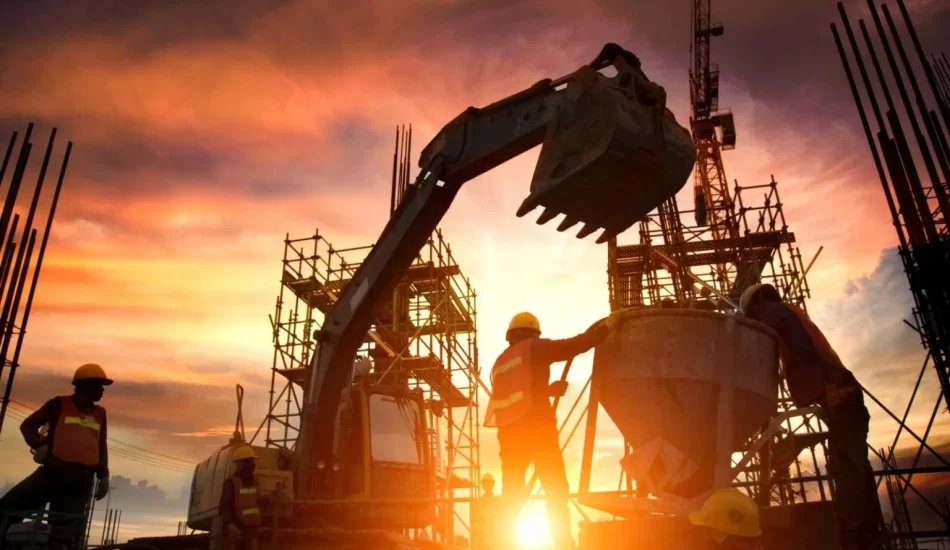
Construction is vital to the growth and success of our country as a whole. Construction workers build our infrastructure, schools, hospitals, homes, and so much more. They also demolish and remove old, crumbling buildings and clean up the debris. Construction work is a very important and essential job in our economy. Yet, it is one of the most hazardous jobs in our economy as well. Not only do construction workers operate heavy machinery and work with tools that could seriously hurt someone if handled in the wrong way, but more often than not they are also exposed to asbestos. Asbestos exposure can lead to a serious form of cancer called mesothelioma. If the proper precautions are not taken when handling or working with asbestos, asbestos fibers can be inhaled. Here is why construction workers should be concerned with mesothelioma and their exposure to asbestos.
Although asbestos use has declined significantly over the past several decades, asbestos-containing materials remain present in many older Louisiana homes, schools, industrial facilities, refineries, and commercial buildings. Construction workers involved in renovation, demolition, remodeling, maintenance, or repair projects may still encounter asbestos-containing products today.
According to occupational safety experts, disturbing asbestos-containing materials during construction activities can release microscopic fibers into the air, increasing the risk of long-term health complications, including mesothelioma, lung cancer, and asbestosis.
Which Construction Workers are Most at Risk for Asbestos Exposure?
As we know there are many different types of construction workers and tradesmen who work on job sites. Some of these jobs are more likely to lead to asbestos exposure than others, but if you’re working on a construction site it is important to be aware of your surroundings and that you could potentially be exposed to asbestos.
Demolition Crews
Asbestos is used in a lot less products today than it was in the past. Back in the 1970s asbestos was used in a ton of different applications from flooring to roofing and almost everywhere in between. Asbestos becomes dangerous when its fibers are airborne. This happens easily and quite often when old buildings are demolished. Workers who help demolish buildings and other structures need to be aware of potential asbestos exposure and take precautionary measures to protect themselves.
You don’t know exactly what products were used during original construction, but odds are good that asbestos is present. When bulldozers and wrecking balls knock down walls and roofs and tear up floors, it is very easy for asbestos fibers to get into the air. This is especially important when working on structures built before the 1980s, as asbestos was commonly used in insulation, floor tiles, roofing products, pipe coverings, cement products, and fireproofing materials.
Bricklayers
Today, there are more regulations on what companies can use to manufacture blocks, stones, and bricks. However, in the past there were a lot less regulations, and a lot of brick manufacturers used asbestos in their compounds because of its high heat tolerance. Potential asbestos exposure makes bricklaying an occupation that can be dangerous if the proper precautions are not taken. Scraping bricks or cutting them into size can release asbestos fibers into the air if asbestos was used in the product. Unfortunately for bricklayers, there is no real way for them to know if asbestos was used in their bricks or not. If you work with bricks or masonry, you should take all possible precautions against asbestos exposure.
Roofers
While the use of asbestos in roofing materials has declined significantly since the 1980s, some products still contain some amount of asbestos. The main danger for roofers is when they have to remove old shingles and roofing materials before re-roofing a structure. During roofing removal old shingles and other materials will be cut and ripped up. This is when asbestos fibers have the best chance of getting into the air. If you’re not sure if asbestos was used in the roofing that you are removing, make sure that you protect yourself from exposure. Asbestos was widely used in roofing materials throughout the 70’s and 80s so there is a good chance that any roof materials you are removing have asbestos in them.
In Louisiana, older commercial buildings, warehouses, schools, and industrial facilities may still contain asbestos roofing materials that require specialized handling and disposal procedures.
Drywall Workers
Asbestos’ heat resistance properties made it an attractive material to use in drywall. Even though a grand majority of modern drywall contains no asbestos, older drywall was manufactured with it. Drywall workers regularly have to cut or remove old pieces of drywall in the course of their work. Cutting into old drywall and pulling it out of the wall releases asbestos fibers into the air. However, unlike the other construction jobs we previously listed drywall workers are more likely to be working inside the home. There is less space and air inside than outside increasing the likelihood of inhaling asbestos fibers. Always take the proper respiratory precautions when working with drywall.
Workers should also be aware that joint compounds, texture coatings, and certain drywall products installed decades ago may contain asbestos. Proper testing and abatement procedures can help reduce exposure risks.
Louisiana Industries with Elevated Asbestos Exposure Risks
While construction workers face significant exposure risks, asbestos exposure has historically affected employees throughout Louisiana’s industrial sector. Workers in refineries, petrochemical plants, shipyards, power plants, manufacturing facilities, paper mills, and industrial maintenance operations may have encountered asbestos-containing materials during the course of their employment.
Because Louisiana has long been home to major industrial and energy operations, workers across multiple trades may have experienced occupational asbestos exposure without realizing the long-term health consequences.
I Haven’t Worked Construction in Years, Do I Have a Case?
Part of what makes mesothelioma so difficult is its long latency period. You might get a mesothelioma diagnosis 20 to 30 years after your exposure to asbestos. If you worked construction jobs in the 70’s and 80s, there is a very good chance you were exposed to asbestos. You may think that it has been too long for you to still have a case, but this is not true. Louisiana law imposes strict deadlines for filing mesothelioma and asbestos-related claims. Because filing deadlines and legal requirements can vary depending on the circumstances of a case, individuals diagnosed with mesothelioma should speak with an experienced Louisiana mesothelioma attorney as soon as possible to protect their legal rights. If you were recently diagnosed with mesothelioma, speak with a mesothelioma attorney about your condition and the potential of your case to see if you could recover compensation for medical bills, pain and suffering, and more.
Update the Baton Rouge Mesothelioma Attorneys Section
Our attorneys investigate potential asbestos exposure sources, identify responsible manufacturers and companies, gather employment and medical records, and pursue compensation on behalf of individuals and families affected by mesothelioma.
Compensation may be available for medical expenses, lost income, pain and suffering, travel expenses related to treatment, and other damages associated with an asbestos-related diagnosis.
Baton Rouge Mesothelioma Attorneys
Murphy Law Firm in Baton Rouge has successfully handled numerous mesothelioma cases in the past. We have helped our clients during one of the most difficult times of their lives recover the compensation they need to pay for medical bills and cover lost wages. Don’t wait to speak with a mesothelioma lawyer. If you’ve been diagnosed with mesothelioma, we can help you. Call us today at (225) 928-8800 to schedule a FREE consultation with a mesothelioma attorney. Don’t be a victim twice. See how Murphy Law Firm can help you!


Don't Settle
For Pennies!

Copyright © 2026 Murphy Law Firm. All Rights Reserved.
Digital Marketing By: 
*Images are obtained under license from Canva and other third-party stock image providers, with attribution included where required.